Water Damage Restoration Newhall, CA
Newhall water damage pros remove standing water, assess affected materials and dry the structure with documented moisture readings. Emergency dispatch operates 24/7 for homes and businesses facing an active water loss.
(888) 774-9605Start with the wet roomsThe assessment follows the source and hidden spread before the drying team sets the equipment plan.
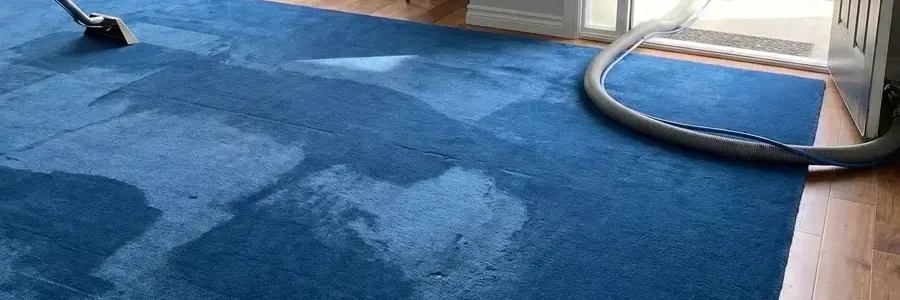
How a water loss is handled
The restoration assessment separates the source, the wet materials and the next repair decision. Newhall is a community within Santa Clarita, with Old Town shops and residential spaces that need individual access plans. The crew checks the actual building instead of assuming its plumbing or foundation from its location.
Water Damage Restoration Services in Newhall, CA
The source changes the cleanup. Each service addresses its own water path, affected materials and drying decisions, from a concealed supply leak to contaminated outdoor water.
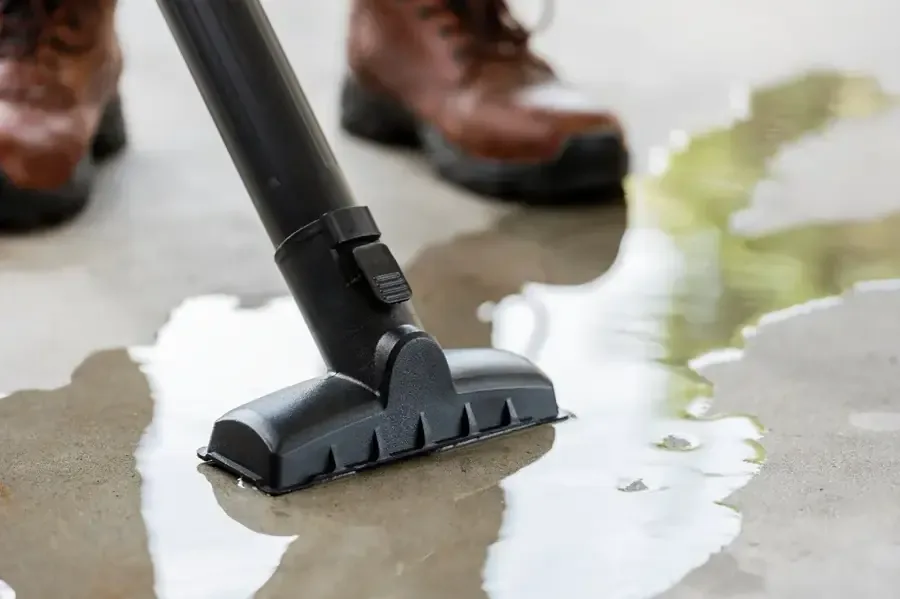
Water Extraction and Removal
Pooled water leaves first; the moisture survey then finds what remains beneath nearby finishes.
Service details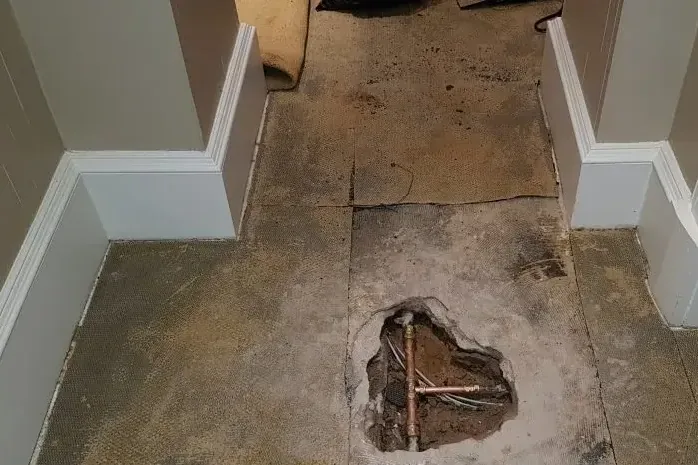
Slab Leak Water Damage
Damp floor edges need source tracing and checks beneath the covering before replacement.
Service details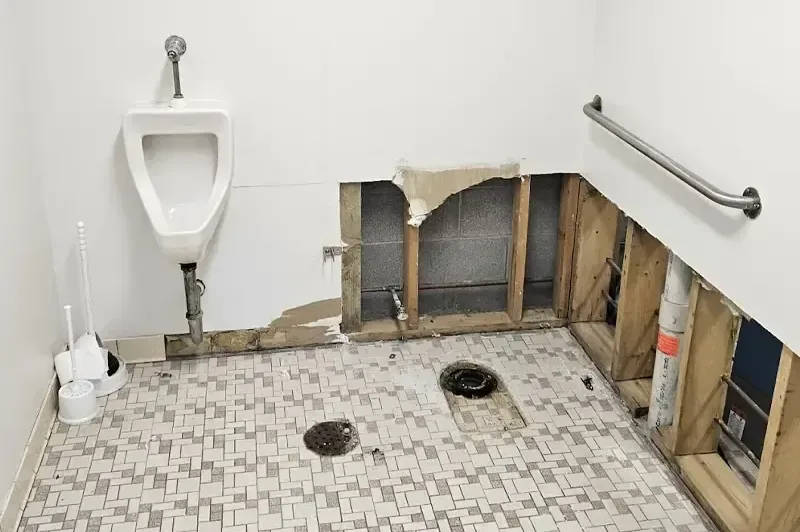
Sewage Backup Cleanup
Contaminated porous materials require removal before cleaned assemblies enter the drying stage.
Service details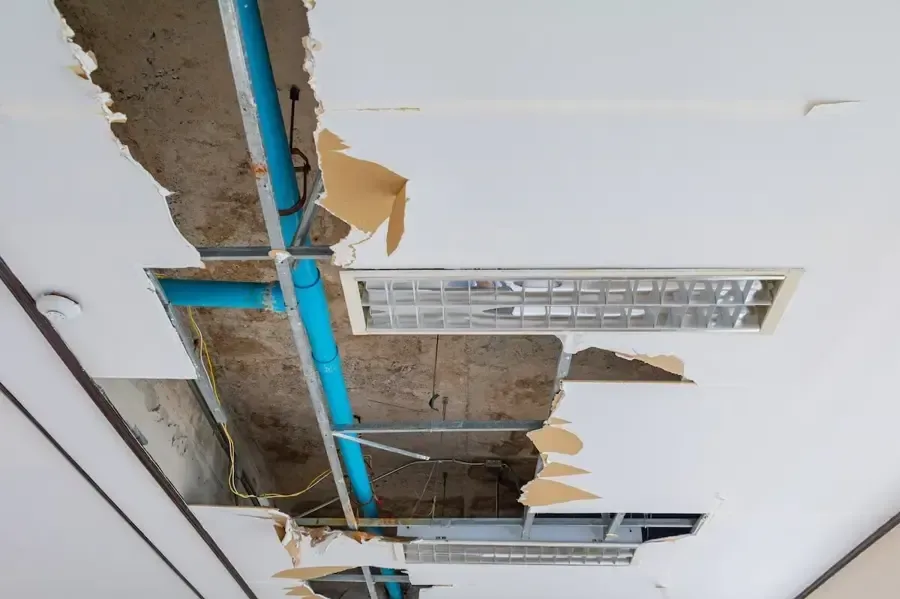
Burst Pipe Water Damage
A stopped supply break can still leave wet insulation, framing and rooms below.
Service details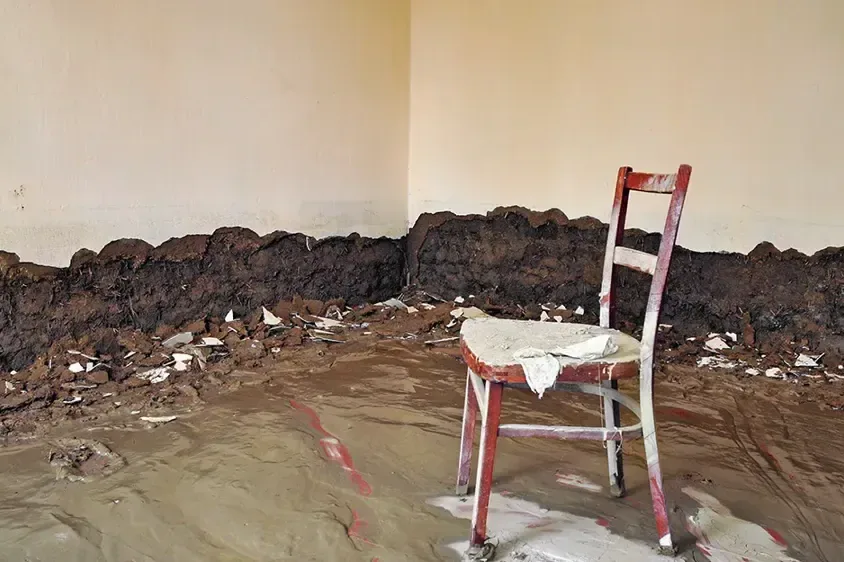
Storm Flood Cleanup
Outdoor entry brings sediment and contamination decisions alongside water removal and drying.
Service details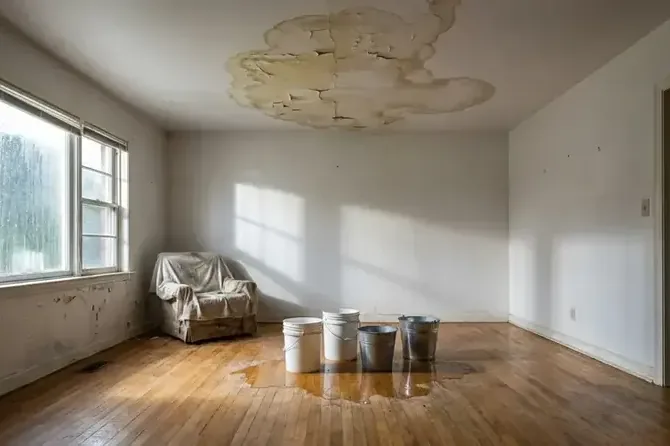
Roof Leak Water Damage
Rain can travel through the attic before a ceiling stain reveals its route.
Service details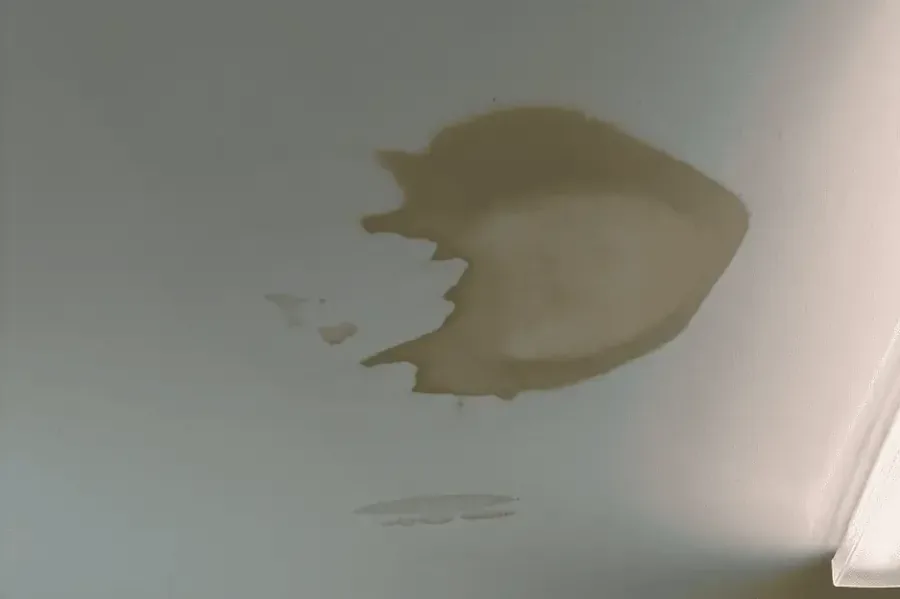
Ceiling Leak Water Damage
Overhead stability and electrical exposure come before opening a wet ceiling cavity.
Service details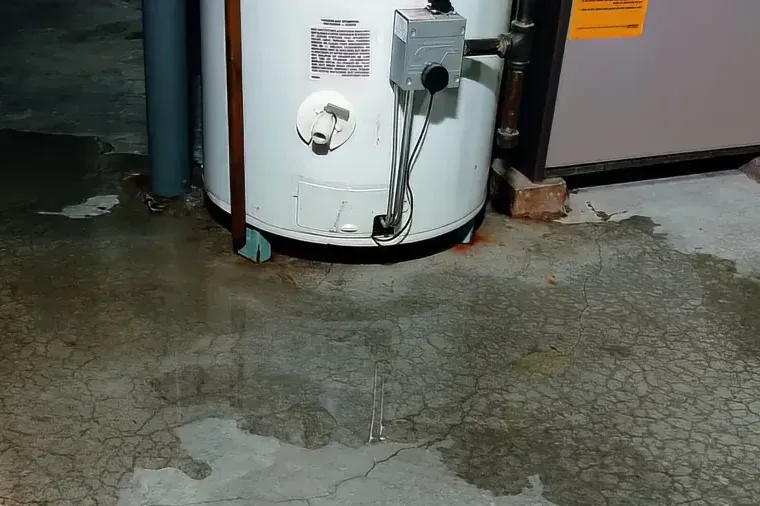
Water Heater Leak Cleanup
The tank footprint rarely tells the whole story of wet trim and flooring.
Service details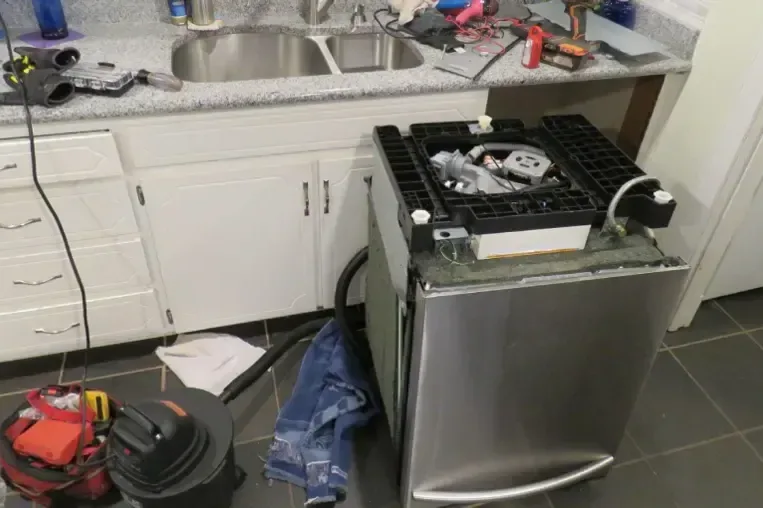
Appliance Leak Water Damage
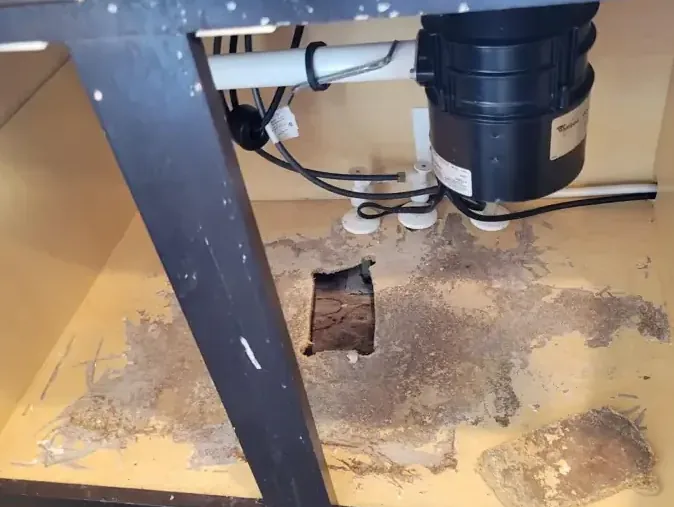
Water beneath equipment can reach cabinet bases and underlayment beyond the visible spill.
Service details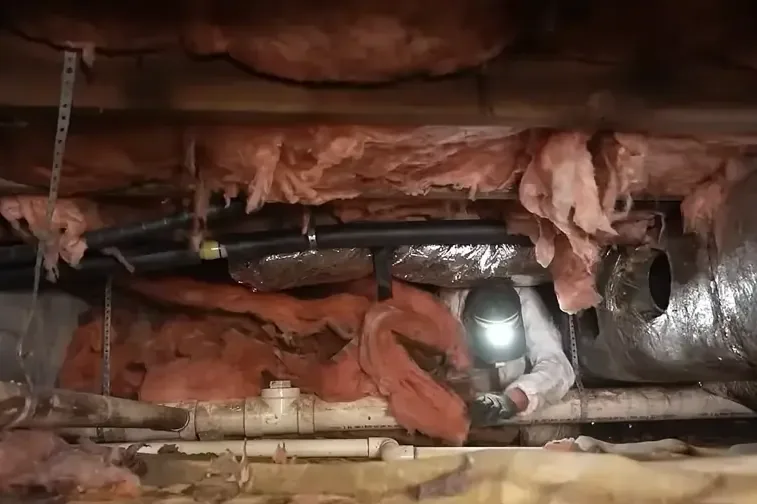
Crawl Space Water Removal
A raised-floor space needs safe entry, pumping and underfloor material checks.
Service details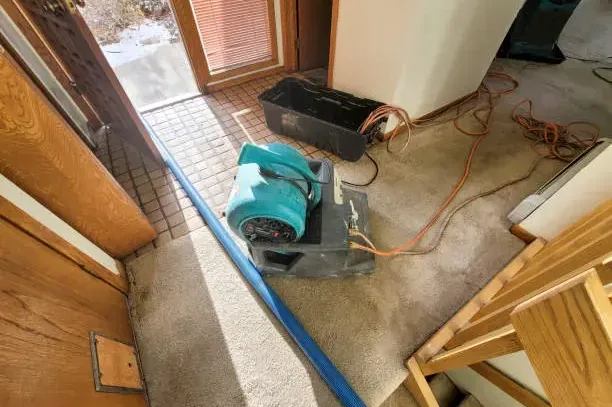
Structural Drying and Dehumidification
Material readings connect airflow and dehumidification with a defensible repair handoff.
Service details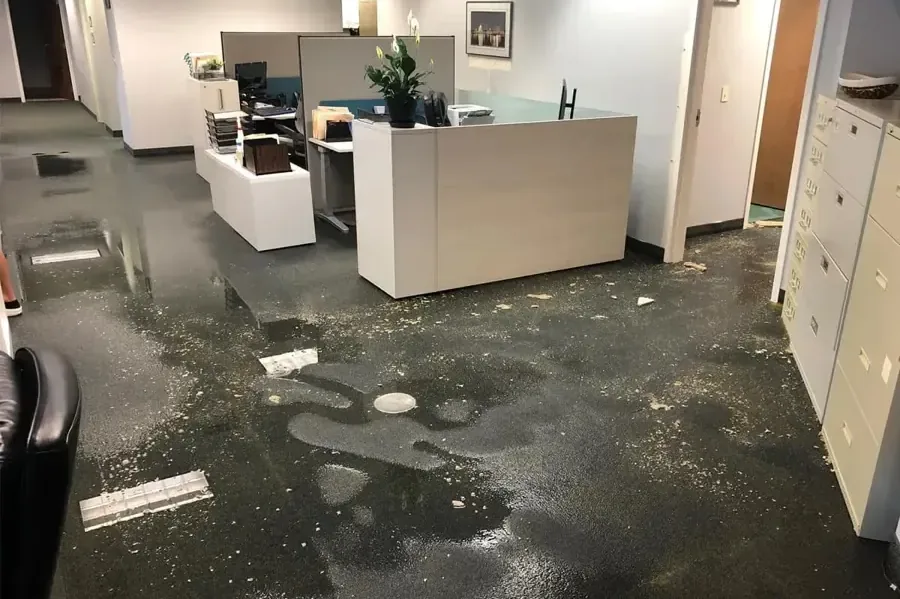
Commercial Water Damage
Business recovery needs clear work zones, source coordination and room-by-room records.
Service detailsHow a water loss is handled
Rapid local response
The response team treats active spreading water as urgent. The first assessment identifies source status, safe access and the spaces that require immediate attention.
IICRC S500 drying standard
The drying contractor uses category, material condition and moisture readings to build the equipment plan. Surface appearance alone does not determine completion.
Claim-ready documentation
The record includes photographs, affected-room notes, material removal and daily drying conditions. The photographs and readings give the adjuster a clear account of the damage and completed work.
Local water experts
Main Street businesses and homes around William S. Hart Park have different access needs. The survey follows their actual assemblies and occupied spaces.
The gear a real dry-out runs on
- Extraction equipment
Pumps and extraction tools remove free water so the remaining drying load is not buried beneath standing water or saturated accessible surfaces.
- Moisture instruments
Pin, pinless and appropriate material instruments help map hidden spread. Thermal imaging directs investigation but does not replace confirmation of wet material.
- Air movers and LGR drying
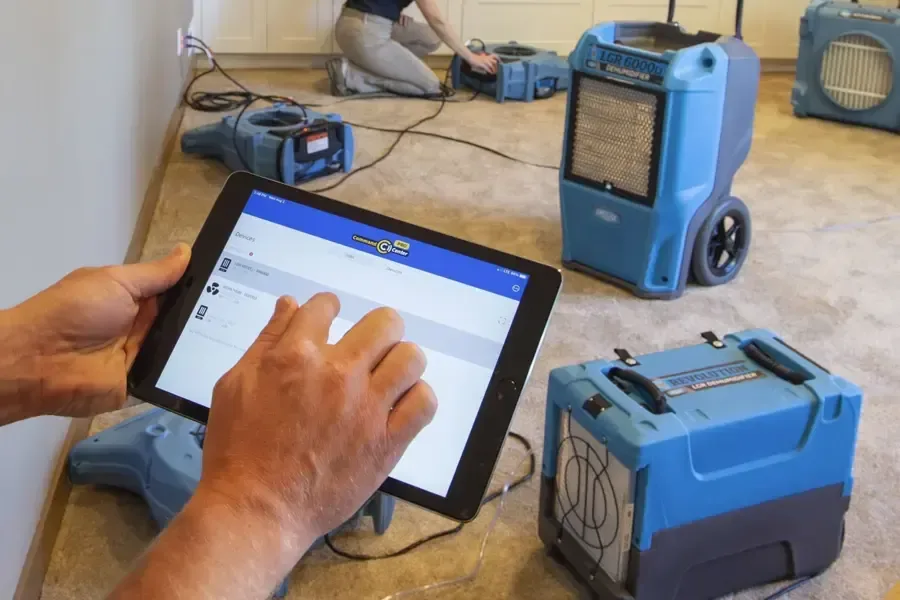
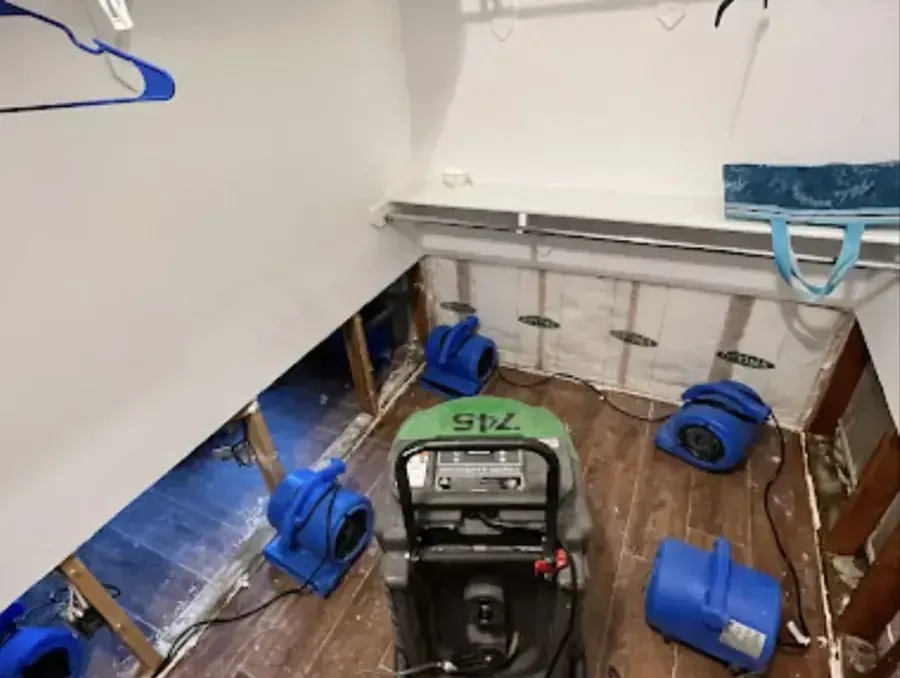
Air movement supports evaporation while LGR dehumidifiers remove released moisture. The setup responds to room conditions and the exposed assembly.
- Material verification
Repeat readings at documented locations establish the drying trend. Dense layers and replacement flooring requirements need their own evaluation before the repair handoff.
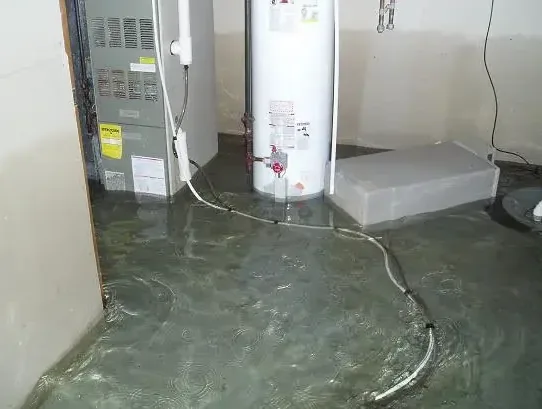
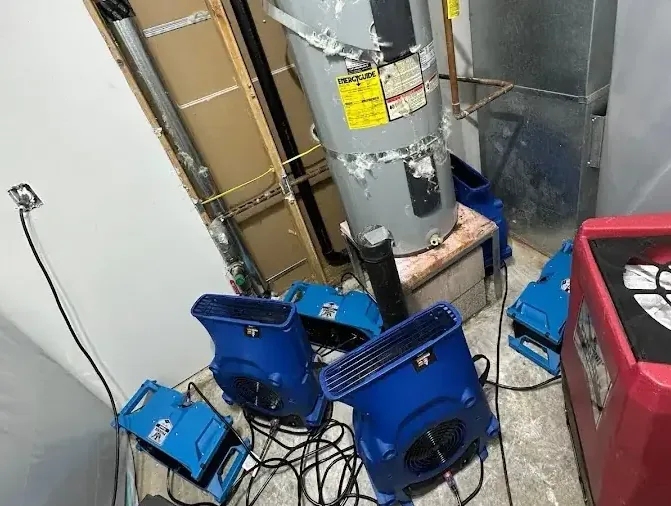
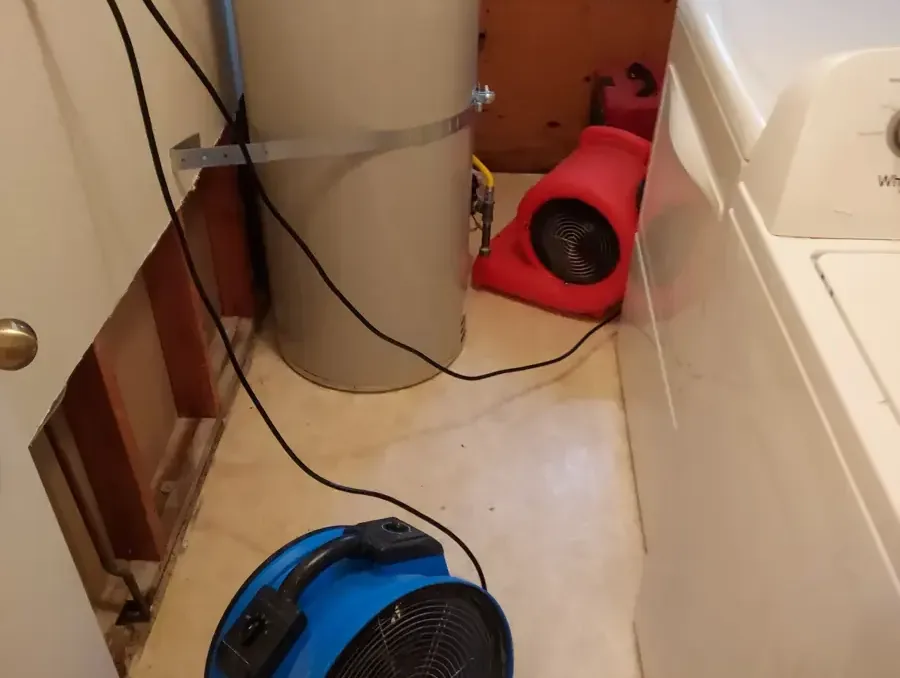
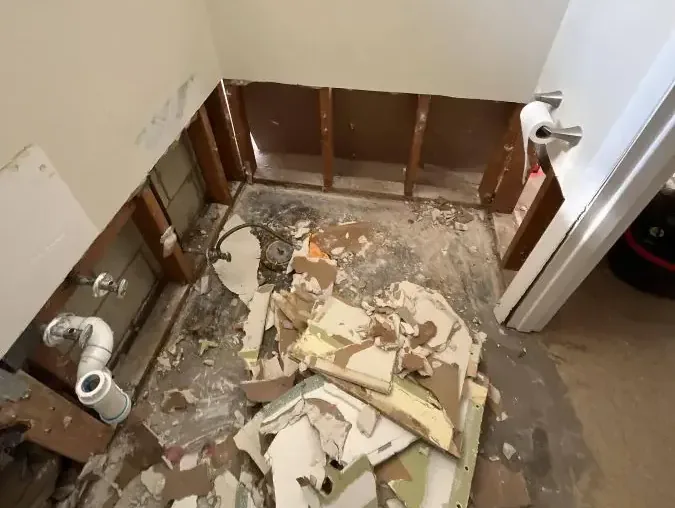
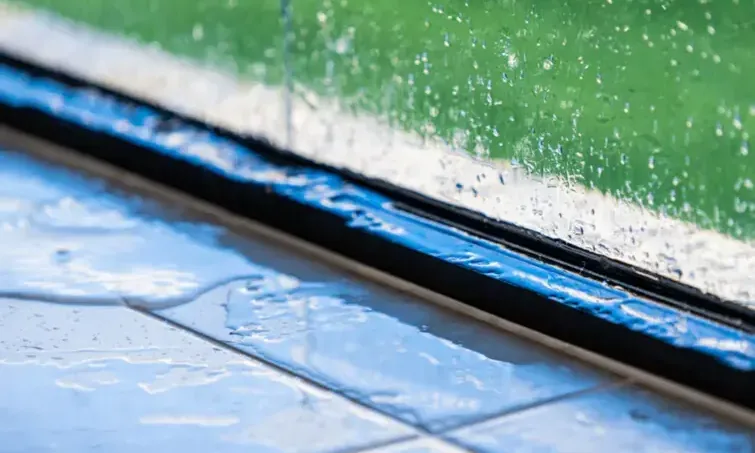
What a water damage dry-out looks like in Newhall
What does water damage restoration cost in Newhall, CA?
A contained clean-water loss commonly falls around $1,000 to $3,500. Several rooms, contaminated materials or difficult access can increase mitigation to $3,500 to $10,000 or more. Category, wet area, material class and delay before drying drive the scope.
Contained clean-water loss
- Accessible water removal
- Focused drying setup
- Initial material readings
Several affected assemblies
- Selective material access
- Broader equipment capacity
- Repeated moisture mapping
Complex contaminated recovery
- Controlled porous removal
- Cleaning and debris handling
- Staged structural drying
Ranges describe typical mitigation, not a quote or a coverage decision. Source repair and rebuilding may be separate. The water damage cost calculator compares the main scope drivers.
Water damage dried to the IICRC S500 standard
The drying team establishes a material-specific goal, removes accessible water and monitors the indoor environment. Equipment stays while readings show an unresolved drying load, with adjustments when hidden layers or limited access slow progress.
Documentation for your insurance claim
The mitigation file preserves what the contractor observed, removed and dried. An adjuster can review those facts while applying the actual policy terms, limits and exclusions.
- Moisture map with affected rooms and materials
- Daily psychrometric logs and material readings
- Timestamped photographs before demolition or removal
- Observed water category and affected material class
- Itemized scope, equipment use and source findings
Coverage belongs to the policy
Sudden and accidental water damage, outside flooding, backups and long-term leakage can receive different treatment. The insurer determines coverage under the contract and any applicable endorsements.
The owner keeps source-repair records with the mitigation file and checks the policy directly. The insurer evaluates payment and deductibles using the policy and the documented loss.
All water damage categories covered in Newhall, CA
Clean-source water
A supply release starts differently from a drain backup. Contact, time and material condition still affect what can remain and dry.
Check extraction needsUsed or affected water
Appliance discharge and other affected water need a source assessment before recovery decisions. The crew identifies the source and contact history before assigning a category.
Assess appliance contactSewage and contaminated runoff
Category 3 contact requires controlled removal of contaminated porous layers, cleaning and appropriate treatment before the remaining assembly receives drying equipment.
See sewage cleanupWhat to do while the water is still moving
- Avoid electrical exposure
Occupants stay away from wet outlets, equipment and uncertain standing water. A safe route comes before any attempt to move contents.
- Limit a reachable source
A safely accessible water valve can reduce a supply release. Roof, drain and utility problems need their own professional source assessment.
- Keep contaminated rooms separate
People and pets remain outside sewage or runoff contact. Fans and moved contents can spread contamination before the cleanup plan is established.
- Record the first conditions
Photographs from a dry position preserve the original water path, damaged finishes and affected belongings before extraction changes the scene.
- Describe the affected assembly
The initial conversation identifies wet rooms, source status and access limits. The technician then checks what lies beneath or behind the visible damage.
One call reaches Newhall water damage pros, 24/7
The initial assessment starts with the water source, affected rooms and any electrical, contamination or access concern. The restoration team then checks the building before defining the cleanup.
The phone provides the direct route for an active loss. The displayed email supports non-urgent correspondence, while the service-area list identifies the communities covered.
Newhall, CA · [email protected]
Find us on GoogleWater damage help around Newhall
Local areas and landmarks
Service ZIP codes
Nearby communities
Local context for water damage decisions
Old Town combines cultural and commercial uses with surrounding homes. Rainy winters and hot, dry summers shape the regional setting, while each building still needs its own source and moisture assessment.
Public-main work announced August 2025: SCV Water described a Newhall Avenue replacement of cast iron installed in 1967. At the property, the assessment checks the private plumbing and traces water into the affected rooms.
- Winter rain
Rainy winters call for attention to roof entry and runoff. The crew documents the actual route instead of assigning every rainy-day loss the same cause.
- Occupied Old Town spaces
Shops, restaurants and theaters around Main Street need work routes that account for contents and visitors. Safe separation depends on the observed water category and access.
- Hidden floor layers
A dry-looking finish can sit over damp material. The technician verifies underlayment, wall bottoms and closed cavities rather than using surface appearance as the endpoint.
- Regional river context
The Santa Clara River belongs to the valley setting. Property flood mapping and the actual route of indoor water entry receive separate checks.
- Individual building conditions
The assessment checks the foundation, plumbing and finishes at the property. Readings at floor edges and wall bases help map wet layers before the drying plan is set.
Water damage restoration questions in Newhall
An active loss needs an assessment
The response team reviews source status and safe access, then maps the affected materials before extraction and drying decisions.
(888) 774-9605Discuss the water-loss conditionsWhat should happen before drying equipment starts?
The source needs attention, unsafe access needs assessment and the water category needs evaluation. The crew removes accessible water and unsuitable contaminated materials before building a drying plan around the remaining assembly. Equipment cannot compensate for continued entry or an inaccessible wet layer.
Does a repaired pipe mean the room is ready?
Pipe repair stops the release but leaves absorbed moisture in flooring, wall bottoms or cavities. The restoration team checks those materials separately. A repair handoff follows documented drying conditions rather than the completion date of plumbing work.
How long does a dry-out take?
A contained loss may dry over several days, while dense materials or concealed assemblies can need longer. Saturation, category and access affect progress. The drying team tracks readings and adjusts the setup instead of promising one duration for every building.
What changes when sewage is involved?
Sewage receives Category 3 treatment from the outset. The cleanup plan separates the area, removes contaminated porous materials and cleans recoverable surfaces before drying. Ordinary fans or household cleaning can spread contact if used before that controlled sequence.
Can water travel beyond the room where it appears?
Water can pass beneath floor coverings, along framing or into the room below. The technician checks adjoining materials and confirms the wet boundary with instruments. The moisture map defines the scope beyond the first visible stain or puddle.
Is hot outdoor weather enough to dry a home?
Outdoor warmth does not show the condition inside a cabinet base or closed ceiling. Indoor humidity and material access control useful evaporation. Dehumidification and repeat measurements help establish whether the hidden assembly is improving.
What records support an insurance review?
Initial photographs, source findings, affected-room notes and material readings preserve the loss sequence. The contractor adds removal and equipment records. The insurer decides coverage under the policy, including any separate provisions for outside flooding or drain backup.
When should damaged finishes be replaced?
The source should be controlled and the remaining assembly checked before new finishes close it. Physical damage and moisture are separate questions. The repair contractor considers both the drying record and the requirements of the replacement material.
Can a business remain occupied during mitigation?
Occupancy depends on contamination, electrical conditions, utilities and safe separation of work areas. Some losses allow staged work; others require access restrictions. The contractor identifies usable rooms, restricted areas and routes that must remain clear during drying.
Start with the source, then follow the water
The restoration assessment turns visible damage and hidden moisture into a clear extraction, cleanup and drying scope.
(888) 774-9605Arrange the water-loss assessment